So, let’s take a random dev who said they’re worked on their game for 10 months, but what does it really mean? does it mean the work was 10 months of time? 10 months from start to finish? daily? weekly work? see the problem? it’s too vague to measure time.
Also i want to split work in 4 categories:
Programming core parts of the game, fixing game breaking bugs and combining assets to make visual side of the game
Creating assets, fixing small bugs, adding QoL features, story writing
Refactoring code, planning, balancing stats, learning things you need
Breaks where you do minimal work or just don’t work at all, but also sitting in godot while watching youtube or scrolling
What about you? how your development looks like in terms of these categories and how long you spend on each of them?
EDIT: As @tomcat mentioned that story-writing is mostly thinking yet i don’t count thinking as work, i forget to write it down, but i take it as “asset” or “visual side of the game”, by visual side i also meant that it’s side that player experiences directly, not the hidden production part, hope this clarified some things
I think everyone measures this differently, do you count time thinking about ideas or just active work, do you count research and collecting data and assets or just actively coding or designing, etc., etc.
I just gave these categories because they’re most common, but if we talk about bare minimum everyone have then we can say there is just working on a game, or scrolling on tiktok
still people usually just say they’re working on a game for X amount of time and that’s it, but after asking them more specific question they say they made 9 months break
that’s why i made scale/categories, because smth like drawing a single texture don’t compare to making entire mechanic of a game, thinking about game & ideas can’t even be compared to refactoring messy old code that stopped you from working, so that’s more of a “how much you spend on this” question than precise objective measurement
if we talk about work time, then thinking isn’t even work, it’s easy to do, it costs nothing, no motivation, you can literally watch tv and think, while coding actually requires you to sit down and make it
You have a very unique take on intellectual work. It seems that artists and writers who develop a plot (which is similar to a game’s storyline, especially if it’s complex), as well as scientists, hardly do any work at all. It’s unclear what they’re paid for and why they spend so long studying for their work. I doubt that “knowledge workers” (as we call them here) would agree with you.
That’s what takes up most of my time — even when it’s done alongside other work. Thinking through an algorithm is intellectual labor, too.
I probably spend like 6-8 hours maybe 9 a week just working on bugs, art, coding, and working with hellish bugs and sometimes just listen to youtube videos while working on my game
i think that “thinking about game” isn’t work really, maybe we missunderstood, cuz i said before that planning and combining assets to make visual side of the game are work, now as i look at it it’s somewhat unclear so i’ll edit that, but the same idea of thinking about the game is usually just procrastination that makes developer feel they’re working on a game, but in reality they’re scrolling tiktok while texting with their friend about weather
In that case, you won’t get a complete answer to your question. That’s because, in games that feature a narrative, a significant portion of the work is devoted specifically to it. You should specify the genre and scope of the games. In clickers, time-killers, and casino, there are certainly no plot twists. There are also different ways to achieve certain goals, and some developers spend a lot of time solving problems that hadn’t been solved before. For example, I spent a long time working on the smooth aging of characters, where not only their height changes but also the proportions of their bodies and limbs. Usually, this is handled either through step-by-step aging with predefined age stages, or it’s limited to just the ratio of head size to body size. I managed to create a body that ages correctly with skeletal changes corresponding to the character’s age. And implementing this idea took a long time, with several dead ends along the way.
i edited post and i’ve said that stuff like creating story, or fixing bugs, or learning new things (yup inventing is also some sort of learning) is not thinking about the game, it’s working, tho you have the point that topic is little bit too vague
It seems your categories overlap, as programming core parts and refactoring code pretty much go hand in hand. So I will alter your list slightly.
Planning
Coding
Art/Music
Polishing
So for me I reckon:
Planning - 5%
Coding - 45%
Art/Music - 30%
Polishing - 20%
As for hours, I try to do four hours a day, but other demands means I sometimes miss a day or two a week. More at weekends if life allows. Probably 25 hours a week is a good estimate.
For my current project, I started it six weeks ago, I hope to finish it in about four months time, although six would probably be nearer the truth. So 600 hours.
Current project to go:
Planning - 30 hours
Coding - 270 hours
Art/Music - 180 hours
Polishing - 120 hours
Plus probably another 50 hours scratching my head, getting distracted and doom scrolling in frustration.
And that assumes I will finish it. To be honest my last two games ended 3 months in and 4 months in, when I had to admit to myself, as pretty as they looked, as technically well coded as they were, even I was bored playing them. It breaks my heart but I am realistic enough to put them on the shelf when they just don’t bear enough fruit. Not all wasted work of course, I always learn new things and new approaches. My latest project would not be possible without those two for instance.
Anyway, for me it is not a race, and none of it feels like work. I absolutely love it and I do it because it is the most rewarding activity I can do around other responsibilities. You might even call it a passion. My partner says it is an obsession, but I prefer to think of it as a passion.
do you have time where you take break because you’re bored, you have something more important to do or other scenario? e.g you work hard for 2 weeks, then 1 week break, then another few weeks of work?
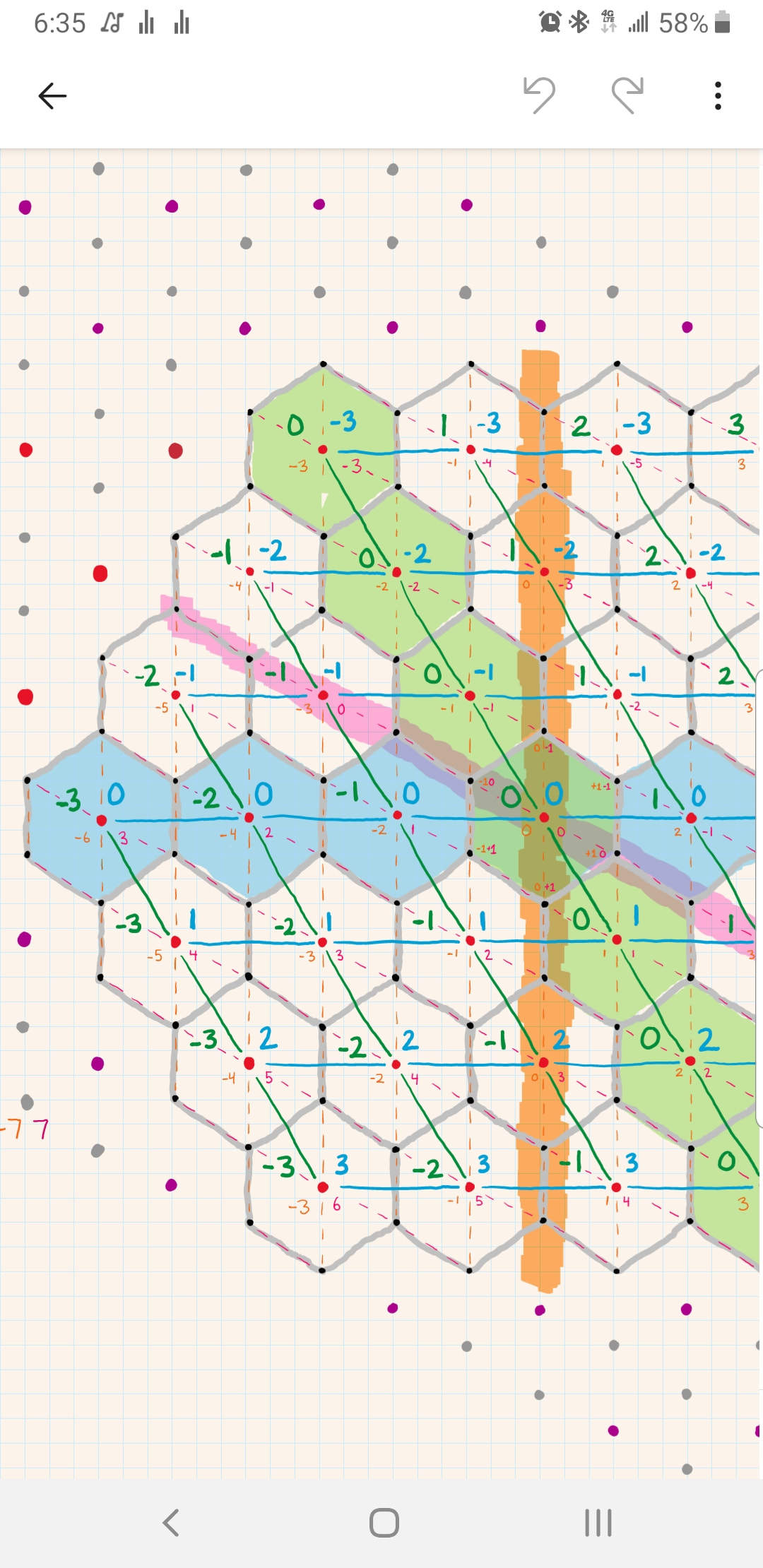
Unfortunately I only have about an hour each morning before work to work on my game, and 4-8 hours on weekend days. I’m building a big game, and the base systems/ ‘engine’ need to be robust so lately I’m doing a lot of nitty gritty, abstract, low level c++ type shit so Ive been writing code very slowly and deliberately. I also spend a considerable amount of time diagramming things with my touchscreen tablet, it helps me enormously to understand concepts by writing it out by hand. Probably the best skill I’ve learned to maximize the use of my time in front of the computer is learning how to use debug tools. It makes bug hunting deterministic and painless.
Here’s a clip of one of my diagrams. (Took me about 2 hours to make. I consider this essential development work) (I can’t fit it all in one phone screenshot )
I have to go to work too even if I’m a teen , but I stay awake all night long everyday without internet to testing and doing stuff.everyone says I’m wasting my time.hehe but everytime I use Godot I feel happy
 )