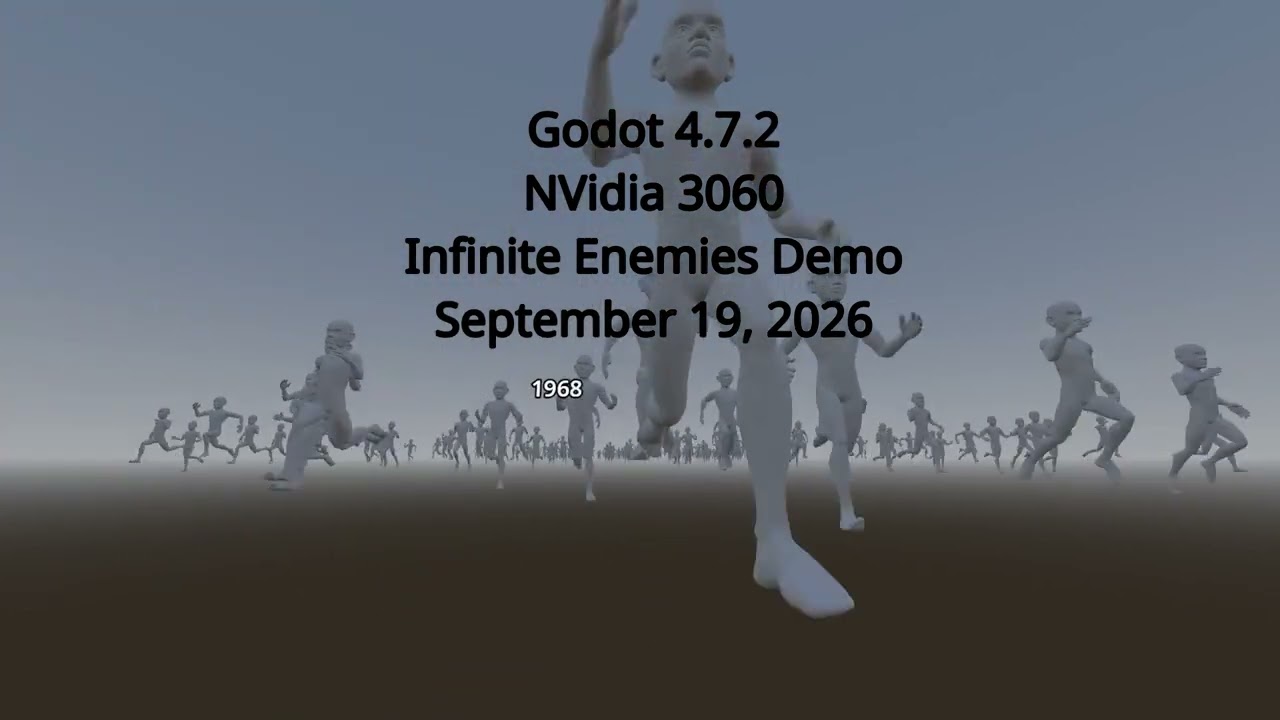
I wanted to see how many enemies I could have in play simultaneously. The results surprised me. They run from the far end of the playing field, and never stop (until I terminate the game). There is no collision detection. I just wanted to kind of stress test a large animated group.
That depends on what you mean by pathfind. The characters in this video do no object avoidance at all. They just spawn at the far end of the playing field, and run forward at varying speeds.
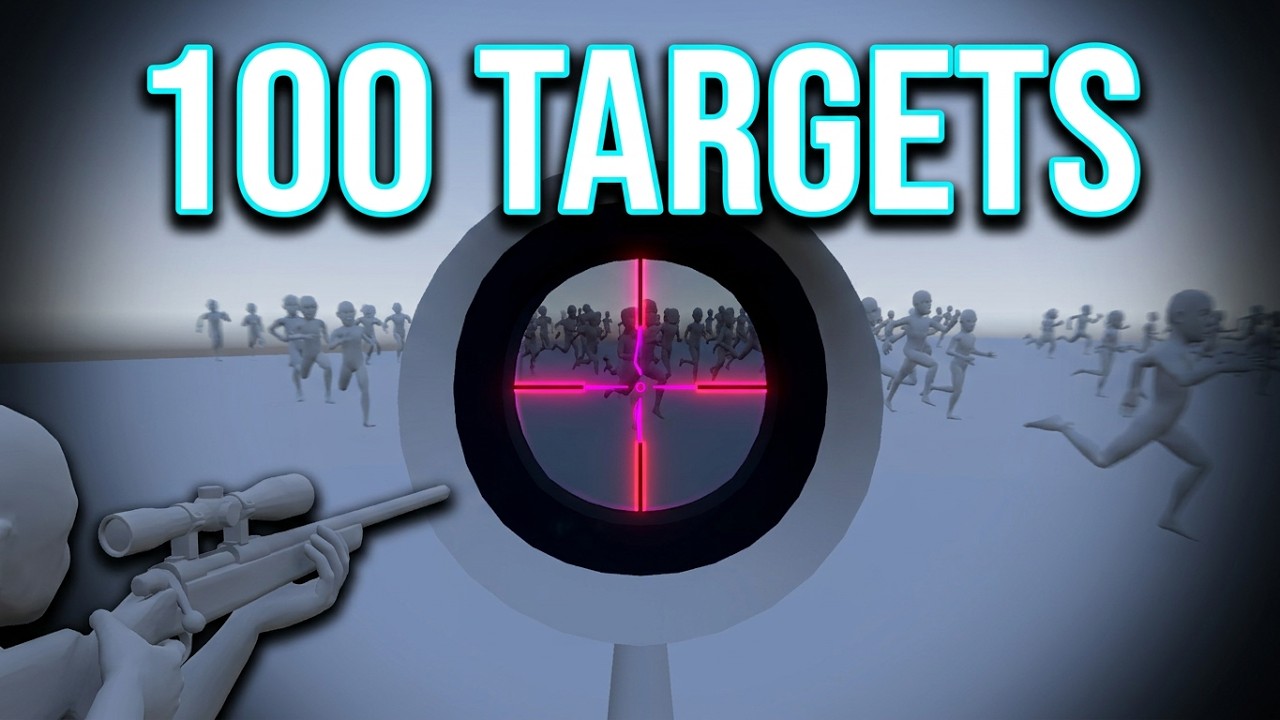
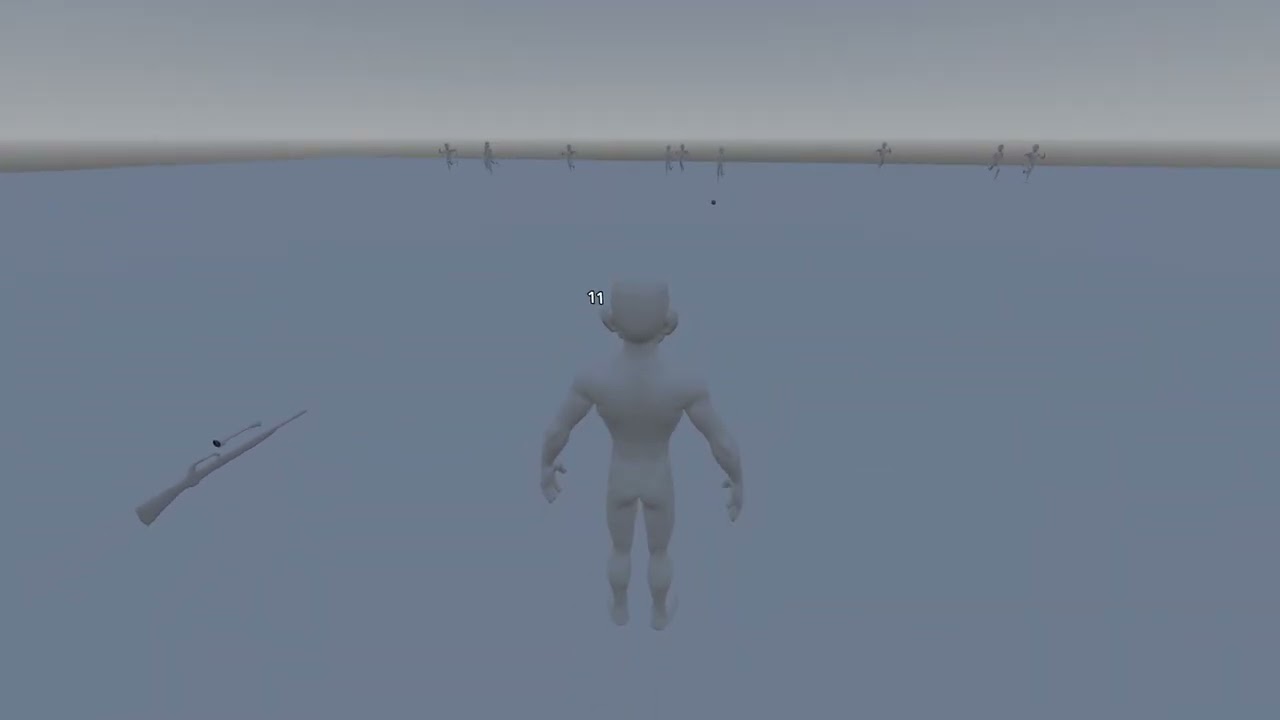
I’m titling the game, “Pest Control”. It’s an experimental prototype at this stage, and the graphics are filler. I have added an M16 with an experimental scope, and minimal player character movement.
“Filler” is the wrong word. The graphics are minimal, not filler. Everything will eventually be fleshed out, but I need minimal graphics while I develop the game.
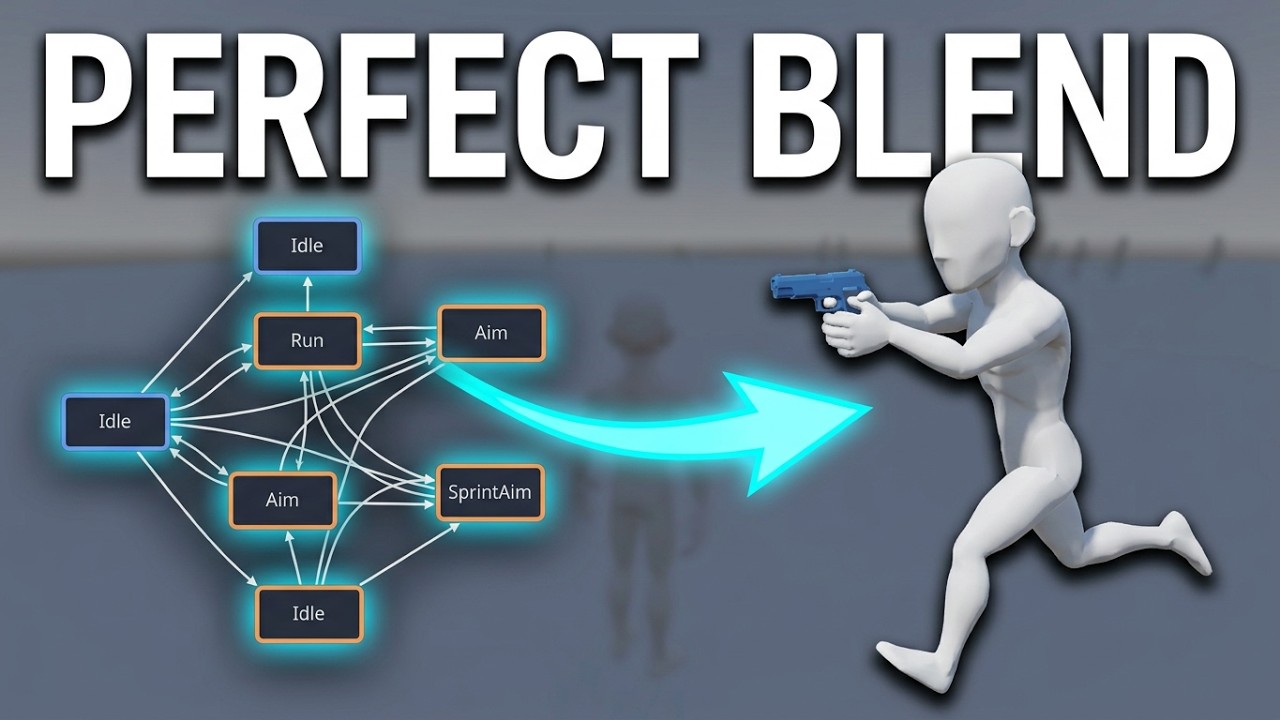
I created a hand gun. I’m calling it a Glock 19, so use your imagination. It’s a placekeeper graphic. I have started switching my animations to AnimationTrees. I had been using AnimationPlayers, with the intent to create separate animations for every movement combination, despite how much work that was going to be, but I couldn’t stop thinking about blending animations. So I decided to learn more about using AnimationTrees. I used them in Seas of Reverence, but I didn’t understand what I was doing. Now I have a greater grasp on how to use them. I have scratched the surface with animation blending, but I now understand what I have done so far.
The most interesting part of this video is using AnimationTrees to combine movement with using the gun.