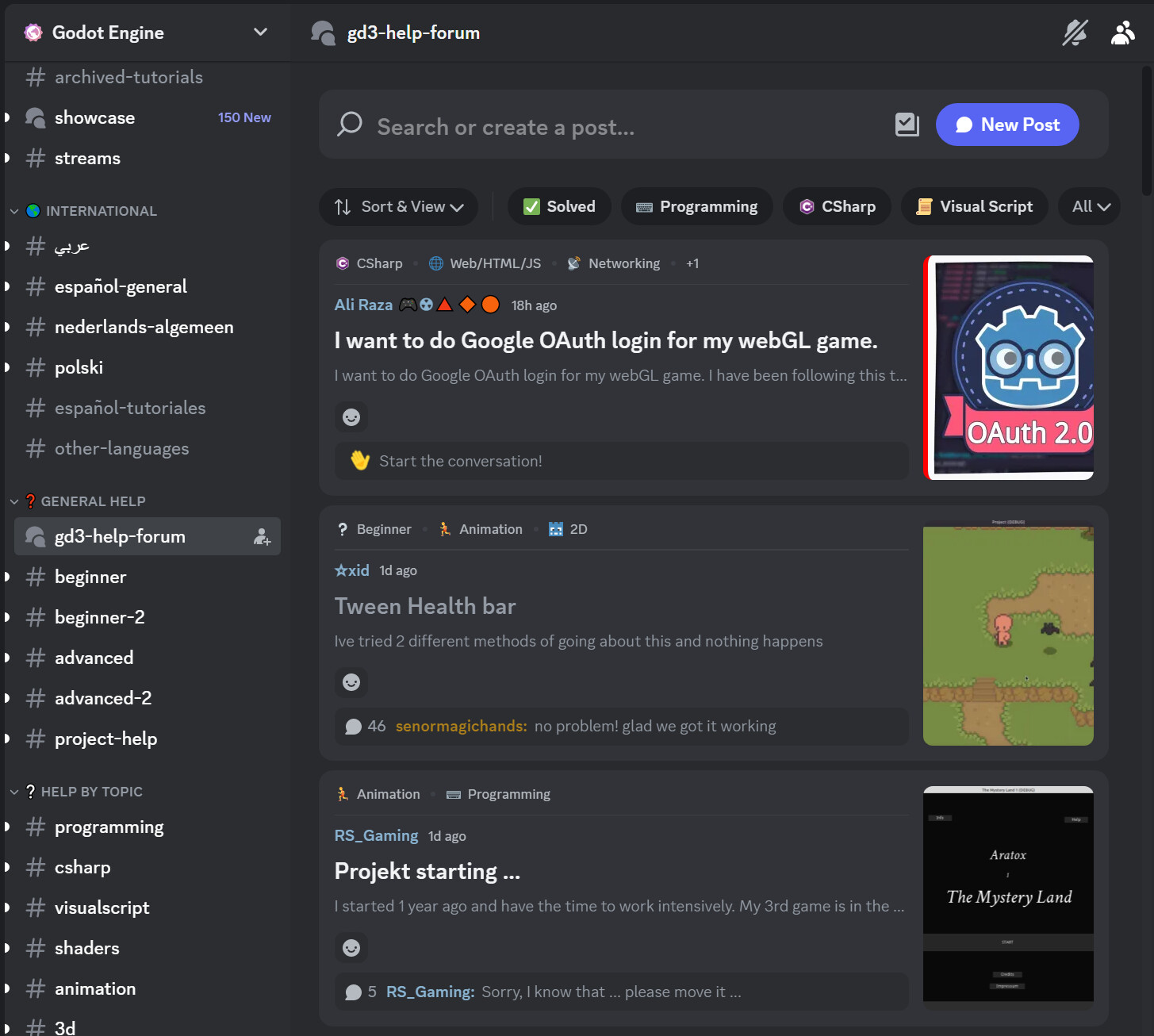
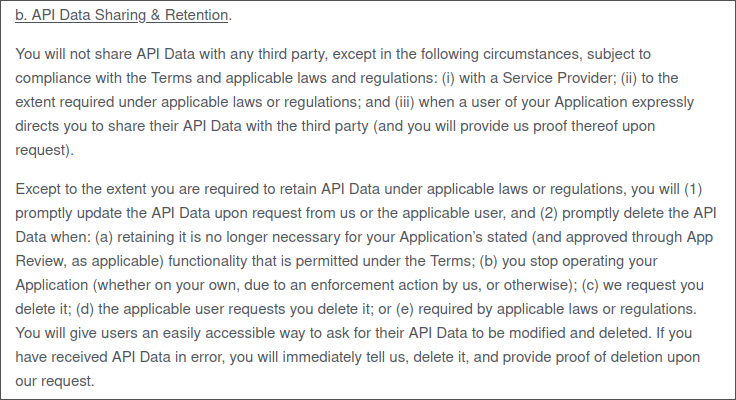
@Calinou, could you specify which part of the ToS would disallow this proposal? I initially used the term ‘scraping’, which is indeed prohibited by Discord, but using their API should be permissible under certain conditions.
After thoroughly reviewing Discord’s Developer Policy and Developer Terms of Service, I’d like to share some insights and considerations regarding the goal of archiving Discord discussions for greater accessibility and knowledge sharing.
1. API Use vs. Scraping: Firstly, it’s crucial to distinguish between data scraping (which is prohibited by Discord) and the use of Discord’s API. The good news is that Discord allows the use of its API within specified guidelines. This means we can technically archive discussions using the API, as long as we adhere to Discord’s rules. It was my mistake to use the term ‘scraping’ in my original post.
2. User Privacy and Consent: A significant factor is respecting user privacy. Discord’s terms emphasize user consent and privacy, aligning with laws like GDPR. For this proposal, this implies obtaining explicit consent from users for their discussions to be archived and made publicly accessible. It’s a crucial step not only for legal compliance but also for maintaining trust within the community.
3. Technical and Rate Limit Constraints: Discord imposes limits on API usage. This might affect the volume and frequency of data we can archive. We’ll need to consider these limits to ensure uninterrupted and compliant operation.
4. Compliance with Discord’s Policies: This forum would need to comply with Discord’s guidelines, including how to handle, store, and use the API data. We cannot use the data for profiling, selling, or in ways that contradict user expectations. To reiterate, proper measures must be taken to securely handle and store the data retrieved from Discord, ensuring it’s protected and managed according to both Discord’s guidelines and applicable data protection laws.
5. Ongoing Policy Updates: Discord’s policies can change, and we must stay vigilant to adapt our archival process to any new updates. This requires a commitment to ongoing maintenance and review.
6. Ethical Considerations and Community Perspective: Beyond legalities, as @winston-yallow mentioned, we should consider the community’s stance on archiving discussions. How do users feel about their conversations being permanently stored and searchable? We need to weigh the benefits of knowledge sharing against potential concerns about the permanence of discussions that may not be intended for that purpose.
7. Feasibility and Worthiness of Pursuit: Given these considerations, is this idea still worth pursuing? In my opinion, yes, but only under certain conditions. The potential for creating a valuable, searchable knowledge base from Discord discussions is immense. However, this must be balanced with a respectful and compliant approach to user data and privacy. I think the primary question that we must ask before anything else is: Are the discussions that are held in Discord valuable enough to warrant all of this effort? Perhaps, although the opinion of the site’s moderators takes precedence, we could measure the community’s sentiment with a survey or poll?
Proposed Approach: A possible way forward could be implementing an opt-in system for users who wish to have their discussions archived. This respects user choice and privacy while still allowing us to build a repository of knowledge. Also, clear communication and transparency about how data is used and stored will be essential.
Determining an effective method for user consent is crucial for this archival proposal. Here are some potential approaches, along with their benefits and concerns:
- Server Rule for Automatic Consent:
- Approach: Adding a rule to the Discord server that states posting in forum channels implies consent to archiving.
- Benefit: Ensures all posts in specific channels are covered without requiring additional action from users.
- Concern: Lacks flexibility and might force users to choose between participating under these conditions or not participating at all. It could also lead to some users being unaware or uncomfortable with this blanket consent.
- Forum Channel Guideline:
- Approach: Implementing a guideline within the forum channel indicating that posts may be archived.
- Benefit: Provides a general heads-up to users about the potential for their posts to be archived.
- Concern: This method doesn’t include an active acknowledgment mechanism, so some users might miss or overlook this guideline.
 ‘Archiver’ Role for Opt-in Consent (Recommended Approach):
- Approach: Allowing users to opt-in for a special role, like
📝Archiver, that signals consent for their posts to be archived. The specifics of the role, including what it entails and how it affects user posts, can be thoroughly outlined in the #roles channel of the Discord server - serving as a clear, voluntary opt-in mechanism.
- Benefit: Respects individual choice, allowing users to control their participation. It’s transparent, user-driven, and ensures users are well-informed about what consenting to archive entails.
- Concern: Might result in fewer posts being archived, as it depends on users actively opting in. However, this is balanced by the respect for user autonomy and informed consent.
- Note: Given its balance of user autonomy, informed consent, and practical application, I consider this the best option.
- ‘Archive’ Tag for Individual Posts:
- Approach: Users can tag their individual posts with an ‘Archive’ tag to signify consent.
- Benefit: Offers post-by-post consent, giving users maximum control over what gets archived.
- Concern: Could lead to fewer posts being archived due to the additional effort required from users.
- Explicit Statement in Each Post:
- Approach: Users explicitly state in their post that they permit archiving, e.g., “The Godot Engine Forum has my permission to archive this post.”
- Benefit: Provides very clear and specific consent for each post.
- Concern: Impractical for large-scale archiving and likely to result in the least amount of content being archived due to the extra effort required.
In conclusion, I believe the content on Discord is valuable enough to warrant the effort of archiving (which prompted my initial proposal). The potential benefits of making these discussions accessible and searchable are substantial, and it should be technically feasible assuming I correctly interpreted the Discord’s legalese. However, I fully recognize the complexities and potential difficulties in adhering to all the outlined conditions. It’s a significant undertaking, and I understand if the effort cannot be justified given the challenges.