I’ve been thinking about making Godot tutorials on Youtube (or blog posts if the format fits better). Are there any topics you feel are underrepresented currently or is there something you would like to see covered?
My intuition is that beginner tutorials are overrepresented since they’re easier to make, though there’s also more demand for them.
“Walkthroughs” of making a certain type of game? Tutorials for individual game systems? Design patterns / architecture? Networking? User interfaces?
I’d like to make actual contributions to the “public knowledgebase” instead of just reiterating topics that have been covered comprehensively
Dunno if it’s just me but i’ve had some troubles before finding how to make randomly generated places (Such as a maze) so maybe something for that or a similar topic
Oh very good to know thx. Maybe some information on like setting up save files such as 1 to 3 and that as there isn’t many videos explaining that i could find
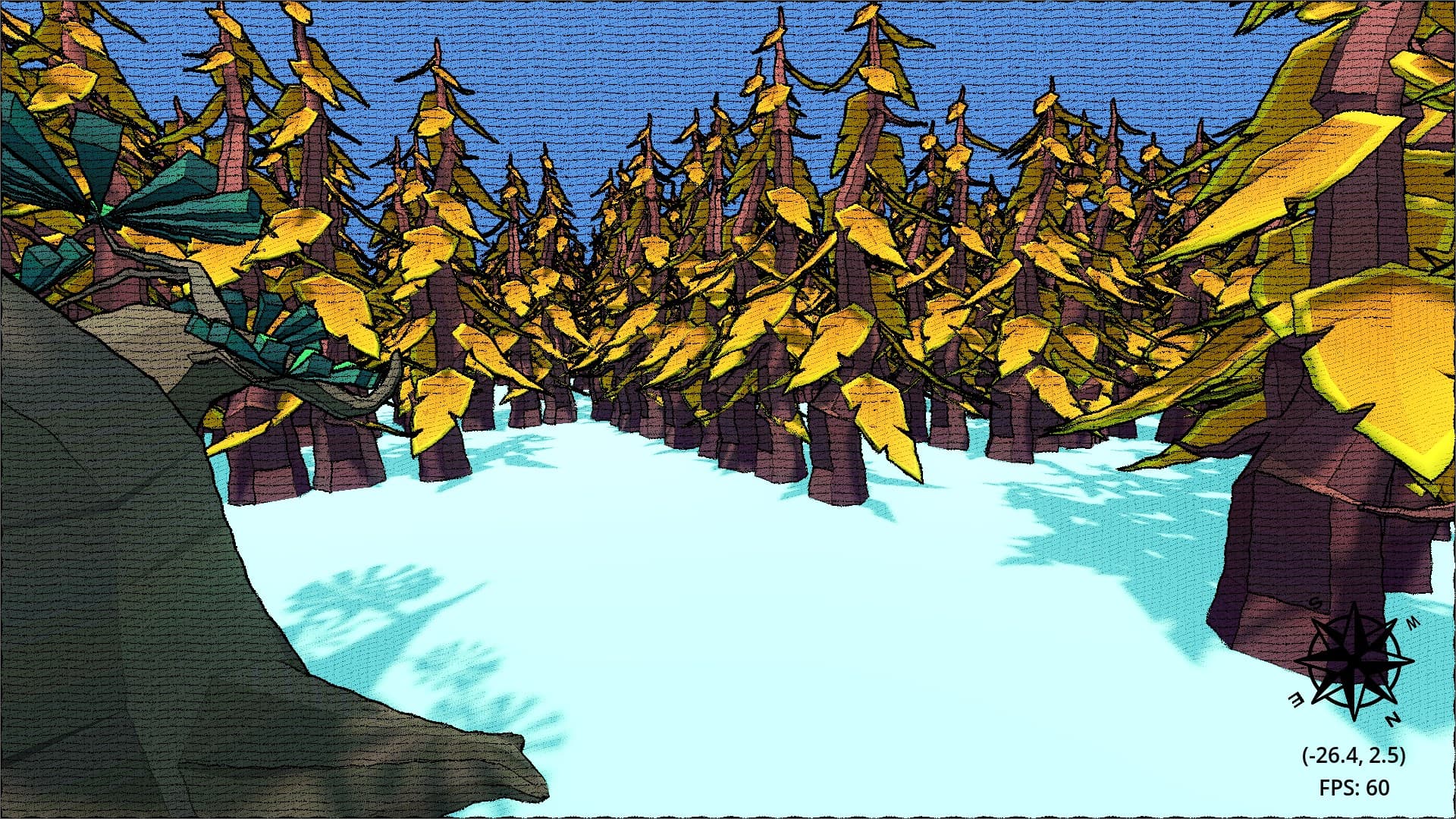
I happen to be in the process of building a procedurally generated infinite maze in godot right now (and I’m at a point where the maze basically works, and I’m just adding content/decoration/making small improvements) - if you have specific questions, feel free to shoot me a message.
I don’t have a specific game I wanna make that involves networking, it’s just a topic that I see relatively few tutorials about. It’d be nice with something that thoroughly covers, like, RPCs and the different arguments you can give to the @rpc annotation, with examples. Stuff like that. It’s been a while since I looked into networking in godot, but iirc most of the tutorials I watched were very focused on step-by-step instructions for making a game, rather than explaining/demonstrating the concepts.
As someone who’s been making games for about 2 years now, I’d say we need more tutorials for more advanced scenarios, and ESPECIALLY we need more tutorials or guides on how to keep your codebase organized for an actual, large game. How to avoid writing code that will come back to bite you, how to separate concerns, de-couple parts of code etc…
A lot of beginner tutorials will just focus on how to make something work, even if they do that in the least flexible way possible (hard coding values, putting everything in one super class etc…).
In short, we need more guides / tutorials that show you how to make things in a flexible and re-usable way, and not how to make things “just work”.
As someone who’s been making games for about 2 years now, I’d say we need more tutorials for more advanced scenarios, and ESPECIALLY we need more tutorials or guides on how to keep your codebase organized for an actual, large game […]
100% this.
Stuff like project organization, decoupling, how to implement design patterns in Godot, etc.
Another more “advanced” topic that could be useful is streaming. For large world spaces (whether in 2D or 3D), loading in new chunks/entities/nodes on the fly while unloading old ones is essential to making performant games.
They may better serve as blog posts since it’s quite theoretical. I think videos are better when it involves using the editor since that’s hard to convey in text Videos are also better for beginner-targeted content.
Yes! I’m still quite new and I usually want to implement things that I don’t know how are they going to evolve and I’d love to know what are the best practices to write flexible code so that any change or addition in the future becomes easier
Also, best ways to face a new project, like where you should start from, or how to actually organize everything because I’ve read about SCRUM for example but I find it hard to actually solve my organization problems with it
What kinds of organization problems are you facing? Not knowing where to place files, what to work on first…?
Also, a question: Do you prefer videos as someone who is new? For example, would you prefer to read or watch the what-to-work-on-first tutorial? I’d assume written posts are a bit more intimidating.
SCRUM and such are meant for large teams and generally don’t bring much benefit for solo devs. A lot of developers are forced by their company into using SCRUM and detest it
I don’t know what to work on first, so I try to make some diagrams with the different scenes that I think that I will need and its structure. Then, I start with one and realize that there is some kind of dependency between scenes or another issue that I didn’t take into account back when making diagrams and I’m “forced” to start working in another scene.
I feel like I’m always fixing problems and adding patches instead of making flexible and functional code from the beginning.
Things usually end up working but I often wonder if there is any way to avoid this because it leads to a lot of wasted time, as many things that I make end up being changed or deleted.
I believe that sometimes experience is all you need, but any advice from people that already went through the same would be very appreciated!
I decided to make a small breakdown of things that, in my opinion should be useful. At least these are the things I wish I knew a year or two ago when I first started out.
-Learning what design patterns are, and with some examples, show how they could be implemented. Furthermore, give examples for parts where you should NOT use a pattern, to avoid overengineering a problem.
-Teach the developers to be consistent. In everything. You don’t HAVE to follow a specific naming rule for example, but you should pick one you like and STICK TO IT. Same with placement of files and structure. How to plan out the project structure.
-And in my opinion, most importantly, being a godot focused tutorial, you might approach a problem in a certain way in most generic game engines, but for this kind of guide, I’d heavily focus on how Godots features can make it easier to approach certain problems. Don’t try to fight the engine, but learn what it has to offer and learn how to utilize it’s strengths, rather than trying to overcome it’s weak points.
In my case, I’d prefer the format that explains it better. Maybe a video is best suited if there is a specific project that can be shown that ilustrates the ideas or if you feel confident explaining things in that format, but I also like posts because I feel that you can navigate through them easier and can be faster than a video.
My problem is that I find it hard to face bigger projects, so I’m not looking to learn how to organize the two scenes from the docs tutorial hahaha