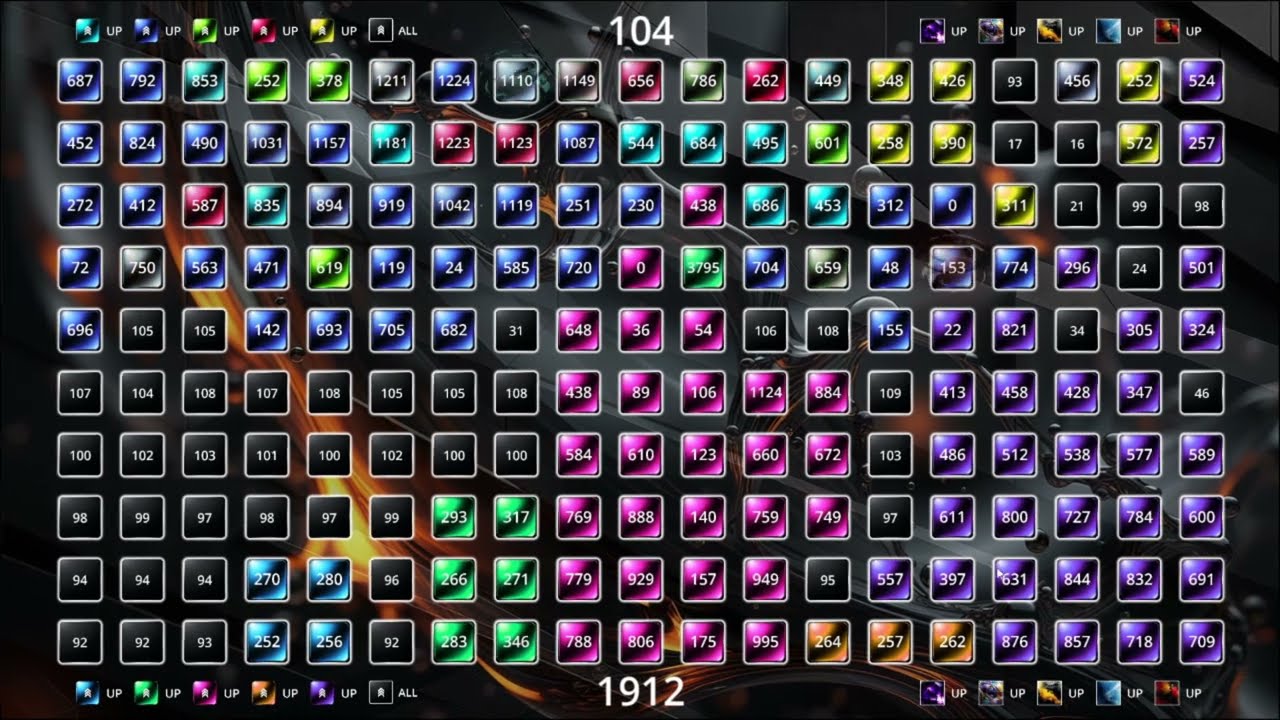
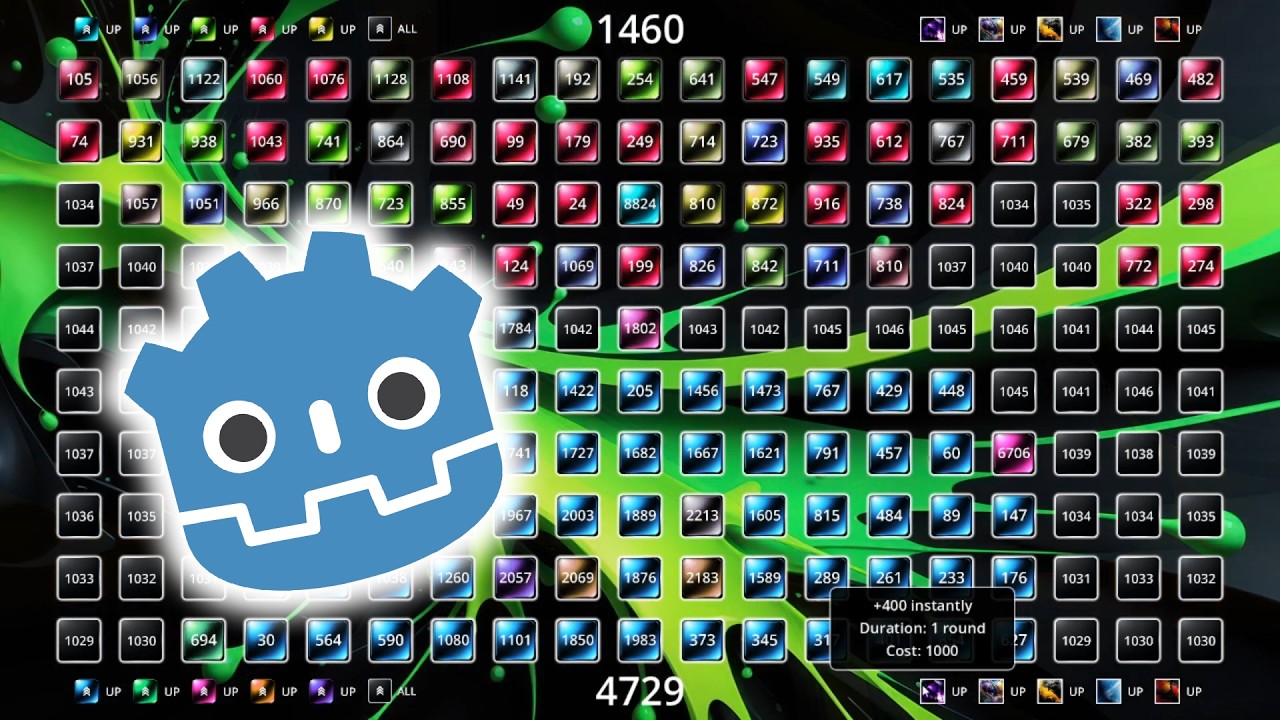
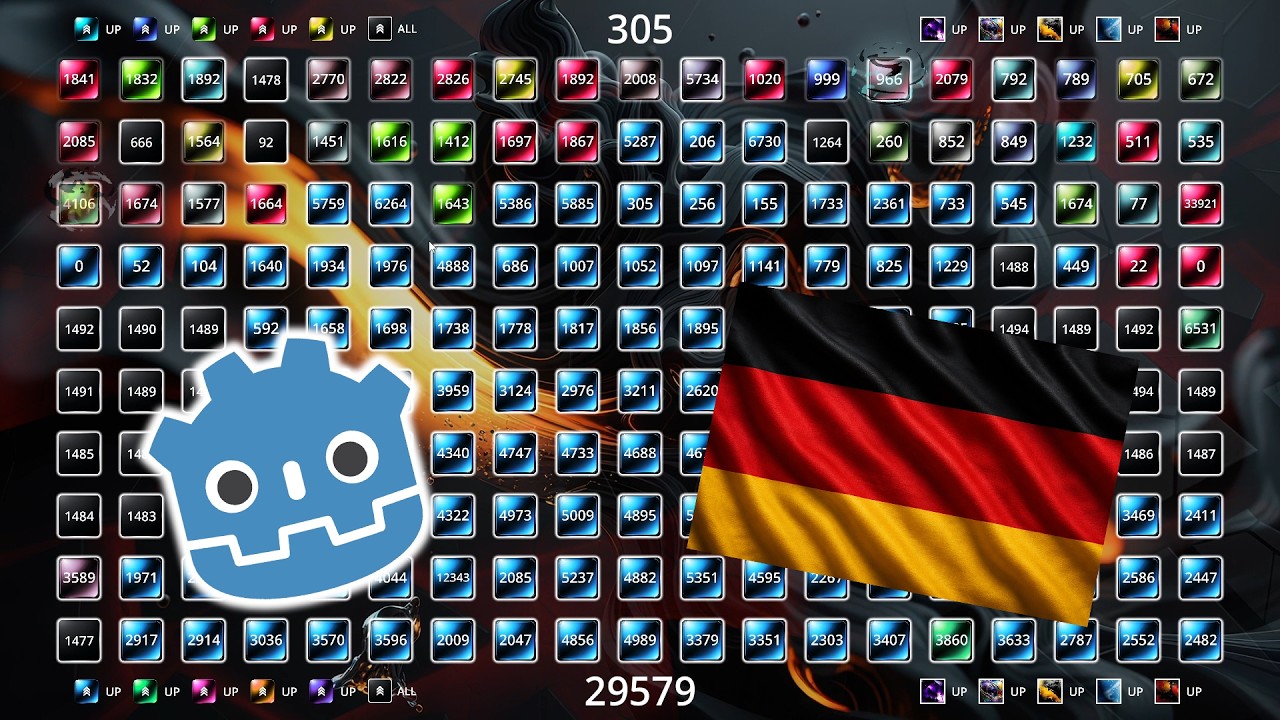
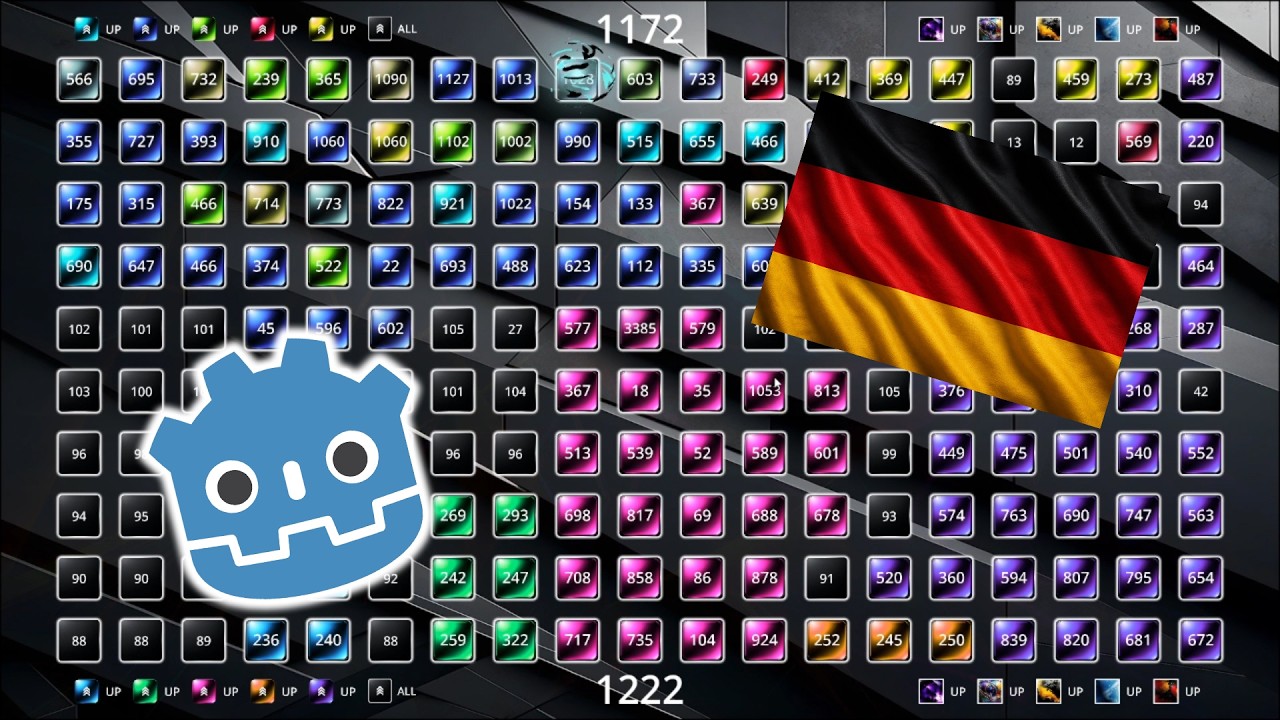
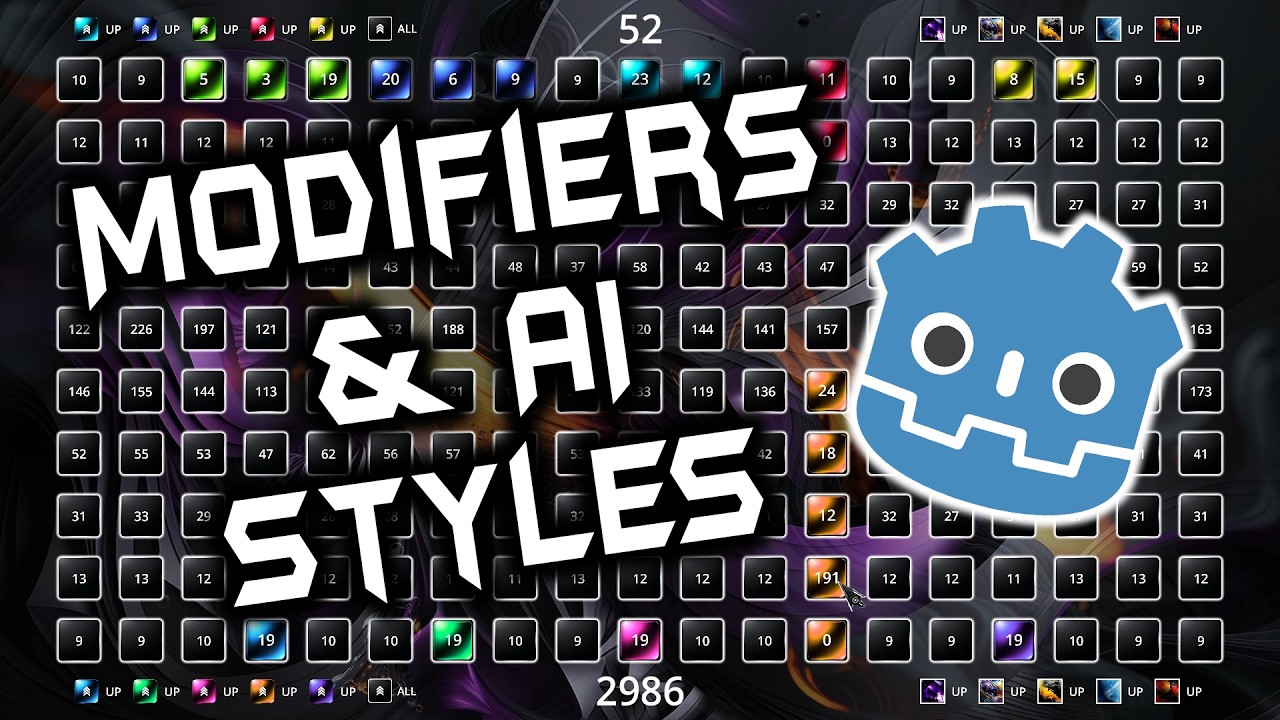
I think you have a gem here. I find it really interesting from a game design perspective. At its core, it feels like something close to Risk, which is the closest comparison I can think of.
I would be glad to actually test your game design. I’m not sure about the skin of the game, though. Personally, I feel like the gameplay core is a bit overshadowed by the theme, but again, that’s just my opinion.
I think if you can prove that the design is actually fun, and it does look fun, not going to lie, then skinning it in a more digestible way visually and story-wise could give you a great strategy game.
@Neohex Thanks for the kind words!! The game’s visuals probably won’t change - the idea from the start was to make it colorful and eye-catching. I’m afraid there won’t be any story because I don’t really have an idea for one, nor do I know how to make it
A simple framing narrative might be enough - maybe the game is about military forces, maybe it’s about competition on a cellular level, or the movements of refugees through contested zones. Just some thing to explain the overall metaphor and logic of the game.
@phoenixdk I might do something like that. From the beginning, I was thinking about a “rules” tab in the game where all the game rules would be explained.
Learn the complete rules of Anomaly Grid.
In this video I explain:
• Unit movement
• Capturing neutral tiles
• Combat mechanics
• Unit merging
• Score system
• Color progression
• Color upgrades
• Population bonuses
• Strategic penalties
I still think that you can actually put a good narrative to this fairly quikcly. You have tile base stradegical game. Tiles can be areas/nodes/computers tbh lots of themes can go with it, you can be a hacker trying to dominate the network grid, a medievel king trying to invidade a kingdom, or modern stradegist to try to win insugrnecy.
Core seems solid, it offers rather fun stradegical board, only thing is, beyond the idea, personally I don’t see myself to play it more then couple of minutes. Again this is my personal idea, even chess has a theme, with horse and pawns.
It’s obviously hard to say what a design will actually play like before trying it, but one thing that stands out is that it’s almost entirely positive feedback loops. In other words, when a player is getting ahead, they get bonuses for getting ahead, putting them further ahead. That’s even for all players, so it’s game mechanically fair, but it does tend to result in run-away victories where there is little real competition in the end-game.
This could be balanced with negative feedback loops (for instance, an upkeep that makes it more costly to have a larger army), or even randomness - both level the playing field for all players. For a “cards-face-up” strategy game though, I don’t think randomness is the way.
@phoenixdk The price on Steam is expected to be around $3-5, so not much. However, before purchasing, you’ll be able to play a demo that will feature basic gameplay without many modes and a score at the beginning of the game, which can be spent on abilities and colored square upgrades. So, if you’re happy with the basic version, you won’t necessarily have to pay for the game. Thanks for the kind words!
Depends on how you want to portray it. Once you have the narrative, you can start playing with the visuals and terminology.
For example, you could call the power points “CPU” or use something that sounds more computer-like, such as RAM, Gbit, etc. Then you could slightly shift the box sprites or colors toward a more RGB, tech-inspired style, with background graphics that look like electronic copper wires.
You could also turn the overall campaign into some kind of level-based system, with different difficulty levels or harder opponents as the player progresses.