Godot Version
4.7.1.stable
Question
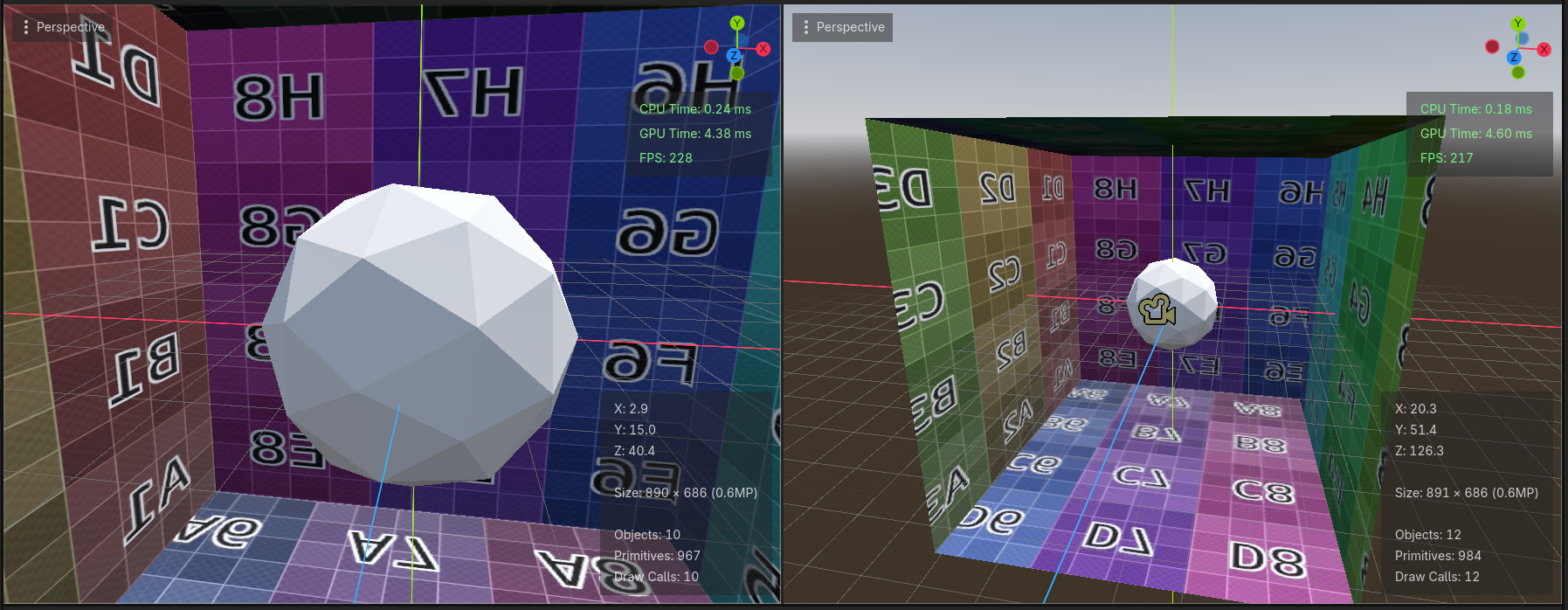
Hi! I’m making a CompositorEffect that requires a second camera and viewport to transmit a texture to my main compositor effect. I have it all set up already, it’s just one texture is consistently failing to display properly, and sometimes even throws an error to the godot console.
I have setup the auxiliary “donor” effect as such:
@tool
class_name AuxEffect extends CompositorEffect

var rd: RenderingDevice
var shader: RID
var main_pipeline: RID
var auxtex: Array[RID]
var depthex: Array[RID]
var scene_buffers: RenderSceneBuffersRD

var started: bool = false

func _notification(what: int) -> void:
	if what == NOTIFICATION_PREDELETE and shader.is_valid() and shader:
		RenderingServer.free_rid(shader)

func _init() -> void:
	needs_motion_vectors = false
	effect_callback_type = CompositorEffect.EFFECT_CALLBACK_TYPE_POST_TRANSPARENT

func _render_callback(_effect_callback_type: int, render_data: RenderData) -> void:
	scene_buffers = render_data.get_render_scene_buffers()
	if not scene_buffers: return

	auxtex.resize(scene_buffers.get_view_count())
	depthex.resize(scene_buffers.get_view_count())

	if not started:
		started = true # This delays the shader by one render callback
		return

	for view in scene_buffers.get_view_count():
		var aux: RID = scene_buffers.get_color_layer(view)
		var depth: RID = scene_buffers.get_depth_layer(view)

		auxtex[view] = aux
		depthex[view] = depth
And a helper autoload class that only exists because you can’t access the scene tree from within a compositor effect. It has an array of viewports because the editor can have up to 4 viewports simultaneously, and this approach prevents the effect from bugging out when adding those extra viewports:
@tool
extends Node

var mask_tex: Array[Array]
var depth_tex: Array[Array]
var aux_effects: Array[AuxEffect]
var aux_viewports: Array[SubViewport]
var aux_scene_buffers: Array[RenderSceneBuffersRD]
var tree: SceneTree
var currently_edited_scene: Node
var aux_viewport_scene = preload("res://assets/scenes/aux_camera.tscn")
var hash_array: Array[StringName] = ["One", "Two", "Three", "Four"]

func _ready():
	if Engine.is_editor_hint():
		start_values.call_deferred()
		for i in range(4):
			mask_tex.append([RID()])
			depth_tex.append([RID()])
			aux_effects.append(null)


func start_values() -> void:
	if Engine.is_editor_hint():
		for aux_viewport in aux_viewports:
			if is_instance_valid(aux_viewport):
				if aux_viewport.get_parent() == currently_edited_scene:
					currently_edited_scene.remove_child(aux_viewport)
				aux_viewport.queue_free()

		aux_viewports.clear()
		aux_effects.clear()
		mask_tex.clear()
		depth_tex.clear()
		aux_scene_buffers.clear()

		if currently_edited_scene is WorldEnvironment:
			for index in range(4):
				if not currently_edited_scene.find_child(str(hash_array[index].hash()), false, false):
					aux_viewports.append(aux_viewport_scene.instantiate())
					aux_viewports[index].name = str(hash_array[index].hash())
					aux_viewports[index].size = EditorInterface.get_editor_viewport_3d(index).get_size()
					currently_edited_scene.add_child(aux_viewports[index])

					aux_effects.append(aux_viewports[index].get_camera_3d().compositor.compositor_effects[0])
					mask_tex.append(aux_effects[index].auxtex)
					depth_tex.append(aux_effects[index].depthex)
					aux_scene_buffers.append(aux_effects[index].scene_buffers)


func _process(_delta: float) -> void:
	if Engine.is_editor_hint():
		var previously_edited_scene: Node = currently_edited_scene
		currently_edited_scene = EditorInterface.get_edited_scene_root()
		if currently_edited_scene != previously_edited_scene and previously_edited_scene:
			for child_index in range(4):
				var child = previously_edited_scene.find_child(str(hash_array[child_index].hash()), false, false)
				if child in aux_viewports:
					previously_edited_scene.remove_child(child)
					child.queue_free()
					aux_viewports.remove_at(aux_viewports.find(child))

			tree = currently_edited_scene.get_tree()
			if aux_viewports.size() < 4:
				start_values()
				return

			for index in range(aux_viewports.size()):
				var current_viewport: SubViewport = EditorInterface.get_editor_viewport_3d(index)
				if current_viewport != aux_viewports[index]:
					start_values()
					return
		elif not previously_edited_scene and currently_edited_scene:
			start_values()

		if currently_edited_scene is WorldEnvironment:
			for index in range(4):
				var editor_viewport: SubViewport = EditorInterface.get_editor_viewport_3d(index)
				aux_viewports[index].size = editor_viewport.size

				var aux_camera: Camera3D = aux_viewports[index].get_node("AuxCamera")
				var editor_camera: Camera3D = editor_viewport.get_camera_3d()
				aux_camera.transform = editor_camera.transform
				aux_camera.fov = editor_camera.fov

				mask_tex[index] = aux_effects[index].auxtex
				depth_tex[index] = aux_effects[index].depthex
				aux_scene_buffers[index] = aux_effects[index].scene_buffers
And the main effect. Only binding 4 matters to my problem, as it’s the one with errors:
@tool
class_name TrueDatamosh extends CompositorEffect

var rd: RenderingDevice
var shader: RID
var main_pipeline: RID

var nearest_sampler: RID
var fmt: RDTextureFormat
var size: Vector2i = Vector2i(1920, 1080)

var prevtex: Array[RID] = []

func _notification(what: int) -> void:
	if what == NOTIFICATION_PREDELETE and shader:
		if shader.is_valid():
			RenderingServer.free_rid(shader)


func initialize_cs() -> void:
	rd = RenderingServer.get_rendering_device()
	if not rd:
		#print("Failed to get RD.")
		return
	#print("RD got successfully.")

	var glsl_file: RDShaderFile = load("res://assets/shaders/true_datamosh.glsl")
	shader = rd.shader_create_from_spirv(glsl_file.get_spirv())
	if not shader:
		#print("Failed to get shader.")
		return
	#print("Shader got successfully.")

	main_pipeline = rd.compute_pipeline_create(shader)
	if not main_pipeline:
		#print("Failed to get pipeline.")
		return
	#print("Pipeline got successfully.")


func _init() -> void:
	needs_motion_vectors = true
	effect_callback_type = CompositorEffect.EFFECT_CALLBACK_TYPE_POST_TRANSPARENT
	RenderingServer.call_on_render_thread(initialize_cs)
	prevtex.clear()

	var sampler_state: RDSamplerState = RDSamplerState.new()
	sampler_state.min_filter = RenderingDevice.SAMPLER_FILTER_NEAREST
	sampler_state.mag_filter = RenderingDevice.SAMPLER_FILTER_NEAREST
	nearest_sampler = rd.sampler_create(sampler_state)

	fmt = RDTextureFormat.new()
	fmt.width = size.x
	fmt.height = size.y
	fmt.format = RenderingDevice.DATA_FORMAT_R16G16B16A16_SFLOAT
	fmt.usage_bits = RenderingDevice.TEXTURE_USAGE_CAN_UPDATE_BIT \
					| RenderingDevice.TEXTURE_USAGE_STORAGE_BIT \
					| RenderingDevice.TEXTURE_USAGE_CAN_COPY_FROM_BIT \
					| RenderingDevice.TEXTURE_USAGE_CPU_READ_BIT \
					| RenderingDevice.TEXTURE_USAGE_SAMPLING_BIT

	prevtex.append(rd.texture_create(fmt, RDTextureView.new(), []))

func _render_callback(_effect_callback_type: int, render_data: RenderData) -> void:
	if ShaderGlobals.aux_viewports.size() > 0:
		if not rd or not shader or not main_pipeline:
			initialize_cs()
			return

		var masktex: RID
		var maskdepth: RID

		var scene_buffers: RenderSceneBuffersRD = render_data.get_render_scene_buffers()
		if not scene_buffers: return

		size = scene_buffers.get_internal_size()
		if size.x == 0 or size.y == 0: return

		fmt.width = size.x
		fmt.height = size.y

		@warning_ignore_start("integer_division")
		var x_groups: int = (size.x - 1) / 16 + 1
		var y_groups: int = (size.y - 1) / 16 + 1
		@warning_ignore_restore("integer_division")

		var push_constants: PackedFloat32Array
		push_constants.append(size.x)
		push_constants.append(size.y)

		for view in scene_buffers.get_view_count():
			var screentex: RID = scene_buffers.get_color_layer(view)
			var motiontex: RID = scene_buffers.get_velocity_layer(view)
			var depthext: RID = scene_buffers.get_depth_layer(view)

			var render_target: RID = render_data.get_render_scene_buffers().get_render_target()
			for index in range(4):
				var viewport: SubViewport = EditorInterface.get_editor_viewport_3d(index)
				var viewport_RID: RID = viewport.get_viewport_rid()
				var viewport_render_target_RID: RID = RenderingServer.viewport_get_render_target(viewport_RID)
				if render_target == viewport_render_target_RID:
					masktex = ShaderGlobals.mask_tex[index][view]
					#masktex = ShaderGlobals.aux_scene_buffers[index].get_color_layer(view)
					maskdepth = ShaderGlobals.depth_tex[index][view]
					#maskdepth = ShaderGlobals.aux_scene_buffers[index].get_color_layer(view)
					break

			var uniform_mask: RDUniform = RDUniform.new()
			uniform_mask.uniform_type = RenderingDevice.UNIFORM_TYPE_IMAGE
			uniform_mask.binding = 4
			uniform_mask.add_id(masktex)

			var image_uniform_set: RID
			image_uniform_set = UniformSetCacheRD.get_cache(shader, 0, [uniform_screen, uniform_vector, uniform_depth, uniform_prev, uniform_mask, uniform_maskdepth])

			var compute_list: int = rd.compute_list_begin()

			rd.compute_list_bind_compute_pipeline(compute_list, main_pipeline)
			rd.compute_list_bind_uniform_set(compute_list, image_uniform_set, 0)
			rd.compute_list_set_push_constant(compute_list, push_constants.to_byte_array(), push_constants.size() * 4)
			rd.compute_list_dispatch(compute_list, x_groups, y_groups, 1)
			rd.compute_list_end()
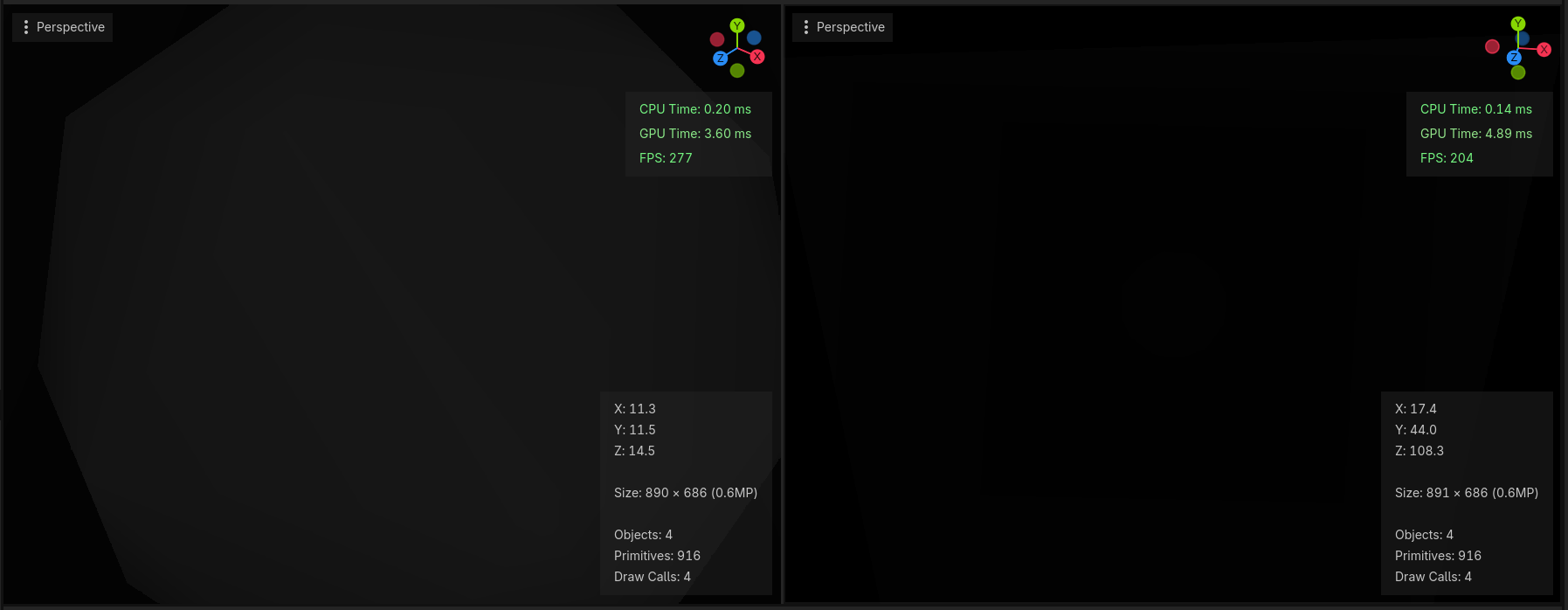
My main problem now is that I get a black screen, if I use imageStore(screen_tex, giid, mask_tex), and half the time the editor will throw errors to the console, always with binding 4, which I can’t figure out what is really wrong with it. I tried to get the scene buffers directly, or just the textures, and I still can’t figure out how to properly do it.
Can someone here please help me? There is no documentation in any of this CompositorEffect thingy…